

Rapid urbanization caused by migration to cities has transformed smaller cities bigger and bigger cities to megacities, giving rise to a range of urban issues including the disposal of large volumes of sewage in the natural streams, thus causing danger to environment, human health and lesser life forms. Nature has bestowed the planet with a remarkable ability to heal itself which only functions when we stay within the limits. Crossing the limits cause harm which may take generations to repair. In the context of our country, damage to nature has become visible in the form of stinking streams with aquatic life vanished demanding earnest action from the civic bodies though delayed repairing the harm caused and to prevent further loss.
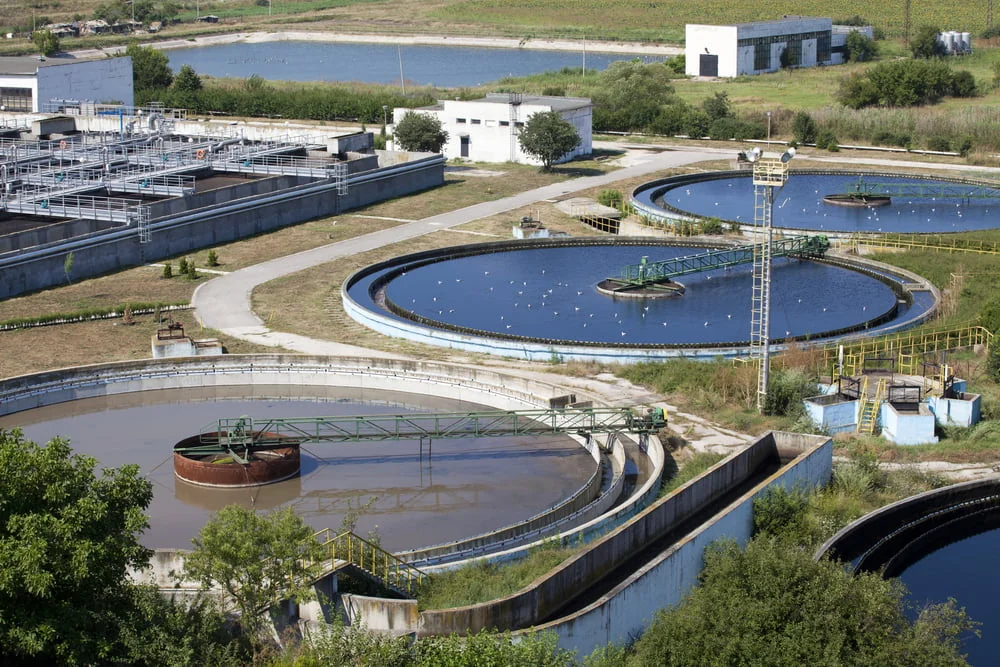
Pressure to restore the quality of natural waters, its aquatic life and associated social aspects is steadily increasing from the civil society and from regulatory agencies through installation of Sewage Treatment Plants for treating sewage and meeting the national environmental standards before discharging in the natural waters.
Our approach to design is based on developing innovative, cost – effective solutions through a blend of conventional and advanced technologies to meet standards and ensuring plant sustainability by exploiting reuse options of treated sewage and subjecting residual sludge to further treatment for resource recovery.
Rapid urbanisation and rural-to-urban migration have transformed many smaller Pakistani towns into large cities, and in the process raised the volume of untreated sewage discharged into natural streams. Eminence One Consultants designs municipal sewage treatment plants that meet national environmental standards while remaining realistic to operate and maintain over the long term.
Untreated sewage discharged into natural waterways damages aquatic life, threatens public health and can take generations to reverse once the damage is done. Pressure from both regulatory agencies and civil society to install proper sewage treatment continues to grow, yet many municipal bodies lack the funding or technical capacity to select and operate an appropriate treatment technology. Our role is to close that gap with designs matched to the resources actually available to the client.
We develop cost-effective solutions through a blend of conventional and advanced technologies, selected to meet national effluent standards while remaining sustainable to run with the operational skills and budget available to the client.
Wherever practical, we design plants to exploit reuse options for treated sewage, such as irrigation, and to subject residual sludge to further treatment so that resource recovery becomes part of the plant's normal operation rather than an afterthought.
Design begins with an assessment of the volume and characteristics of the sewage to be treated, the receiving water body's assimilative capacity, and the regulatory standards that must be met before discharge. From there we select a treatment train that balances performance against the capital and running costs the client can sustain, rather than defaulting to the most technologically advanced option regardless of context.
Our sewage treatment plant design work serves municipal and cantonment authorities, water and sanitation agencies, and private housing developments that need to treat sewage before discharge or reuse.
Treating sewage before discharge protects aquatic life and public health, reduces the long-term cost of remediating polluted waterways, and can generate a usable reclaimed water resource for irrigation in water-scarce areas. Where sludge is processed for resource recovery, plants can also produce a soil conditioner rather than simply generating a waste product requiring disposal.
Streams and drains across Lahore and other Pakistani cities continue to receive substantial volumes of untreated or partially treated sewage. Bringing new treatment capacity online, and rehabilitating plants that have fallen into disrepair, remains one of the more urgent environmental priorities for urban Pakistan, and our designs are shaped around this local reality.
We design sewage treatment plants that a municipal body can actually staff, fund and operate over the years following construction, drawing on a blend of proven conventional processes and more advanced technology only where it is genuinely justified by the site conditions and available budget.
Get in touch for a consultation tailored to your organisation's requirements.
Request a ConsultationWe use a blend of conventional and advanced technologies selected on a project-by-project basis, chosen to meet national effluent standards while remaining sustainable for the client to operate.
Residual sludge can often be subjected to further treatment to enable resource recovery, and we design for this option where site conditions and client capacity make it practical.
Plants are designed to meet the national environmental quality standards for effluent discharge into natural waters, which we factor into treatment process selection from the outset.
Capacity is based on current and forecast sewage volumes for the service area, taking account of population growth and expected future connections to the network.
Reuse options are considered during design wherever the receiving use and treatment level are compatible, helping to reduce pressure on freshwater sources.
Yes. Plant designs are scaled and matched to the operational capacity of the client, whether that is a small town authority or a large city sewerage agency.
Underperformance is often linked to treatment technology that was too complex for the available operating skills and budget, which is why we prioritise sustainability of operation in our designs.
In many cases yes; we assess existing plants to determine whether targeted upgrades can restore performance before recommending full replacement.